
Blog
How to Know Your Skin Type Before Choosing Skincare?
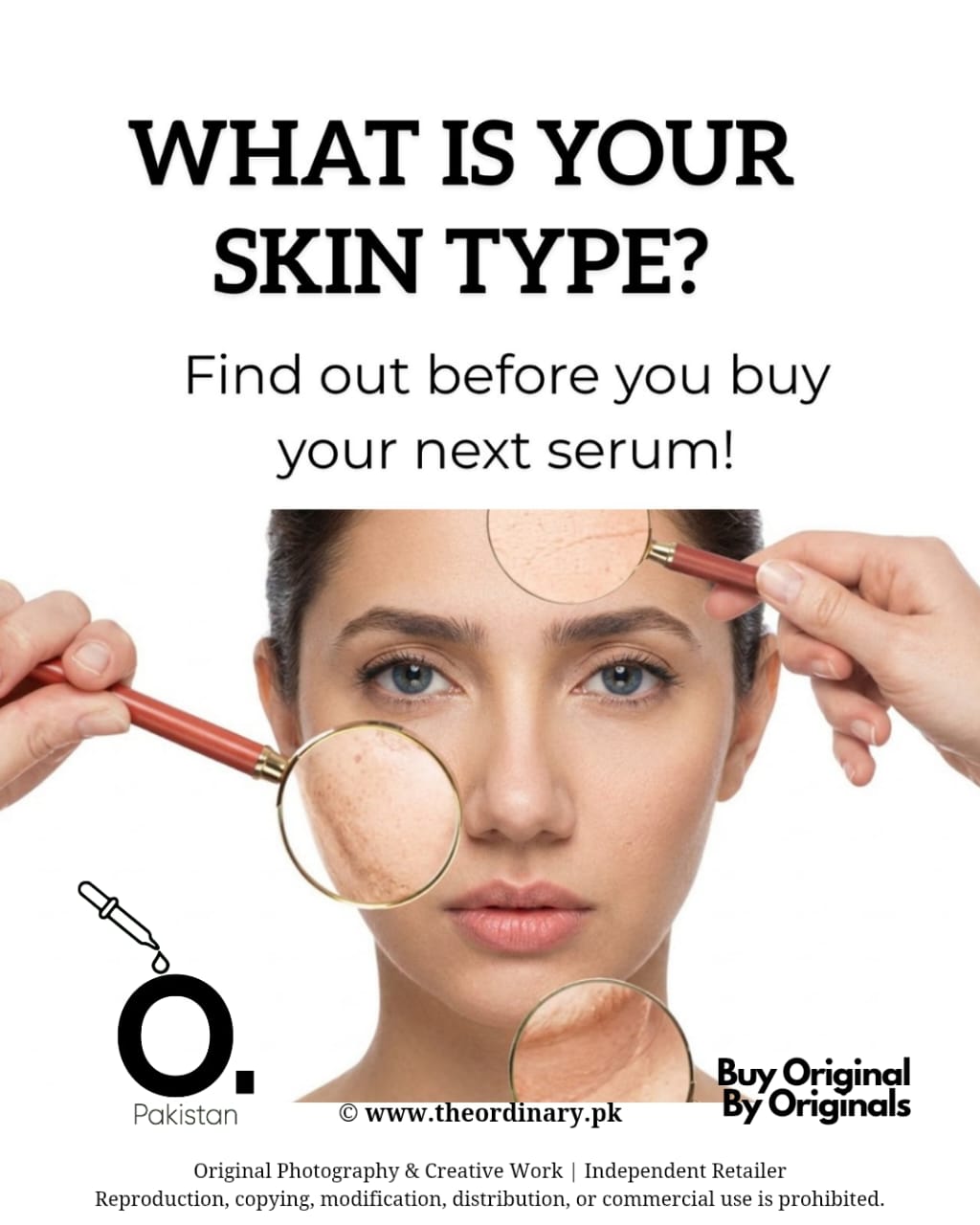
Choosing the right skincare products starts with understanding your skin. But do you know your actual skin type? Learning how to identify your skin type can help you choose products that suit your skin instead of following every skincare trend. In this guide, we’ll help you recognize oily, dry, combination, sensitive and acne-prone skin, with practical skincare tips for Pakistani weather and everyday concerns.
Buying skincare because it is trending sounds easy until your skin starts feeling too oily, dry, irritated or suddenly breaks out.
The truth is, the best skincare product is not necessarily the most popular one. It is the one that matches your skin type, concerns and current skin condition.
And in Pakistan, choosing skincare can be even more confusing. Hot summers, humidity, dry winters, pollution, sun exposure and frequent temperature changes can all affect how your skin behaves.
So before adding another serum to your routine, start with one simple question:
What is my skin type?
Quick answer: Most skin falls into five broad categories; normal, oily, dry, combination and sensitive. Your skin type helps you decide what kind of texture, hydration and active ingredients may work best for you.
First: Skin Type Is Not the Same as Skin Concern
This is one of the biggest skincare mistakes people make.
Your skin type describes how your skin naturally behaves.
Your skin concerns are issues you want to improve.
For example, you can have:
- Oily skin + acne
- Dry skin + pigmentation
- Combination skin + enlarged-looking pores
- Sensitive skin + redness
- Normal skin + dullness
This is why simply searching for “the best serum for pigmentation” isn’t always enough.
You need to ask:
Which pigmentation product is appropriate for MY skin?
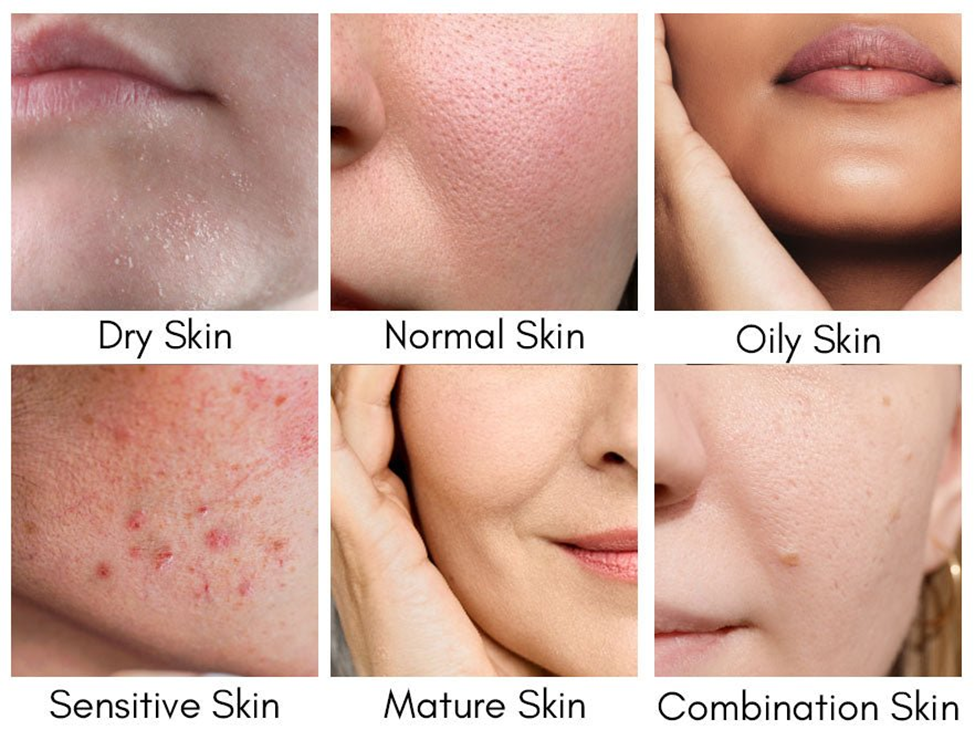
You don’t need an expensive skin analysis machine.
Try this simple test.
Step 1: Cleanse
Wash your face with a gentle cleanser and rinse thoroughly.
Step 2: Leave Your Skin Alone
Don’t immediately apply serum, moisturiser, oil or sunscreen.
Wait around 30–60 minutes.
Step 3: Observe Your Skin
Look at how your skin feels and where oil appears.
If your whole face becomes shiny:
You may have oily skin.
If your face feels tight, rough or uncomfortable:
You may have dry skin.
If your T-zone is oily but your cheeks feel normal or dry:
You may have combination skin.
If your skin feels comfortable without excessive oil or dryness:
You may have normal skin.
But there is one more factor to consider:
Does your skin easily sting, burn, become red or react to products?
You may have sensitive or reactive skin.
Remember: sensitivity can occur with any skin type. You can have oily and sensitive skin, dry and sensitive skin, or combination and sensitive skin.
Oily Skin
Oily skin generally produces more sebum, which can leave the face looking shiny particularly around the forehead, nose and chin.
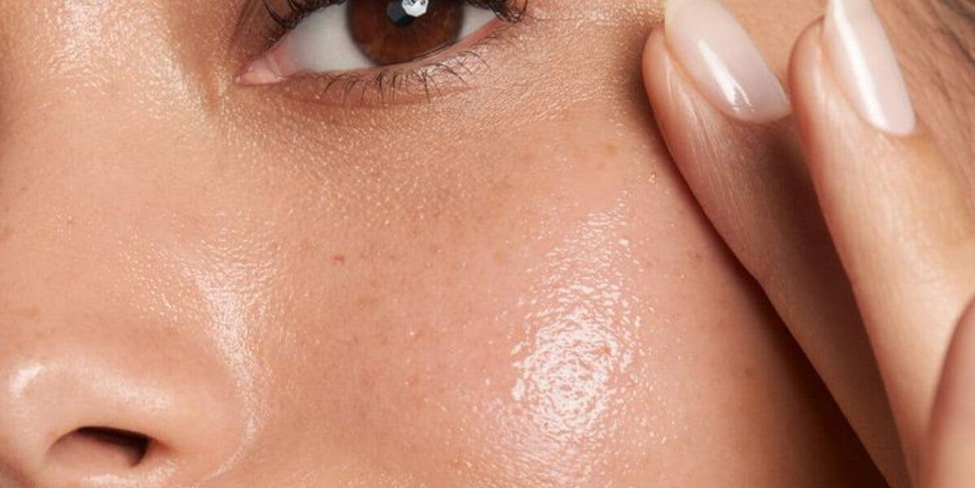
In Pakistan’s hot and humid weather, oily skin can feel even oilier.
Common signs of oily skin
- Noticeable shine throughout the day
- Frequent clogged pores
- Blackheads or blemishes
- Makeup becoming greasy quickly
- Larger-looking pores
- Heavy creams feeling uncomfortable
The Ordinary products to consider
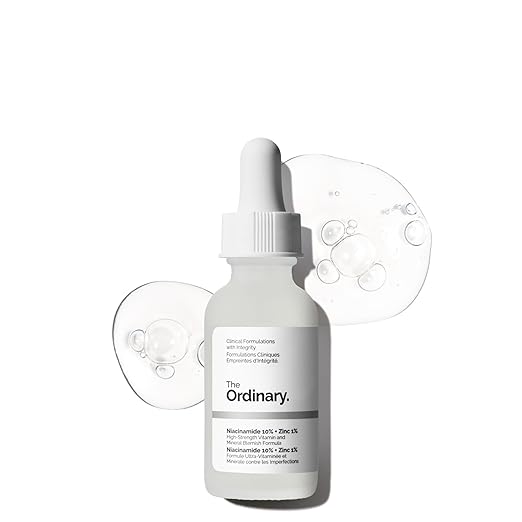
Niacinamide 10% + Zinc 1% can be a useful option for oily, blemish-prone and congested-looking skin. The current product page describes it as a water-based serum aimed at visible shine, congestion and textural irregularities.
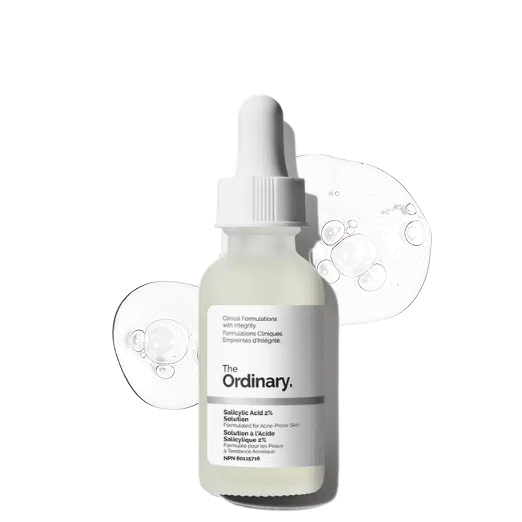
If blackheads and congestion are your main concern, Salicylic Acid 2% Solution Acne Serum is another product to explore. The Ordinary Salicylic Acid 2% Solution 30ml for blemish-prone skin, clogged pores and smoother-looking skin, available in Pakistan.
Tip: Oily skin still needs moisturiser. Trying to completely dry out oily skin can leave it feeling uncomfortable and dehydrated.
Dry Skin
Dry skin often feels tight or rough and may look dull, especially after cleansing.
Pakistan’s dry winters, air conditioning and overuse of exfoliating products can make this feeling more noticeable.
Common signs of dry skin
- Tightness after cleansing
- Rough or flaky areas
- Dull appearance
- Fine dehydration lines
- Makeup settling into dry patches
- Moisturiser feeling like a necessity rather than an option
What should dry skin look for?
Think hydration + barrier support rather than constantly adding strong actives.
A good starting point is:
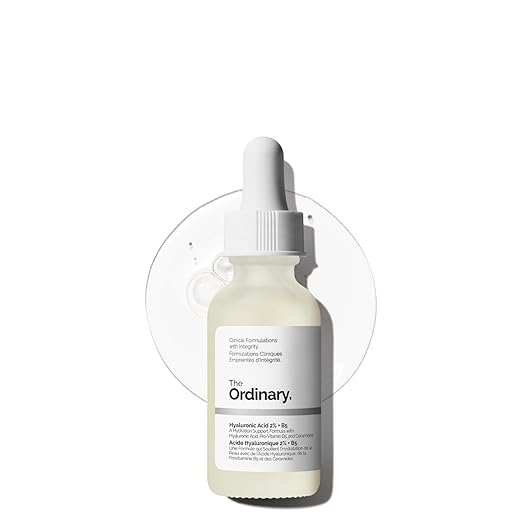
Hyaluronic Acid 2% + B5 with Ceramides
The current The Ordinary Pakistan listing describes it as a hydrating serum containing hyaluronic acid, ceramides and pro-vitamin B5.
You can also consider a moisturiser such as Natural Moisturizing Factors + HA to help maintain comfortable hydration.

Remember: Dry skin does not automatically mean you need the richest possible skincare. The right balance of hydration and moisturisation is more important than simply using heavy products.
Combination Skin
Combination skin can be confusing because your face seems to have two personalities.
Your T-zone; forehead, nose and chin may become oily, while your cheeks remain normal or dry.
Common signs
- Oily forehead and nose
- Dry or normal cheeks
- Occasional congestion
- Different areas needing different levels of hydration
- More shine in summer
The solution?
Don’t treat your entire face as if it has one problem.
For example, a lightweight hydrating serum can be used across the face, while a targeted product can be used only where you experience congestion.
For hydration, Hyaluronic Acid 2% + B5 with Ceramides can be considered when your skin feels dehydrated.

Niacinamide 10% + Zinc 1% may be useful for areas prone to visible shine and congestion.
Normal Skin
Normal skin is generally comfortable, balanced and neither excessively oily nor excessively dry.
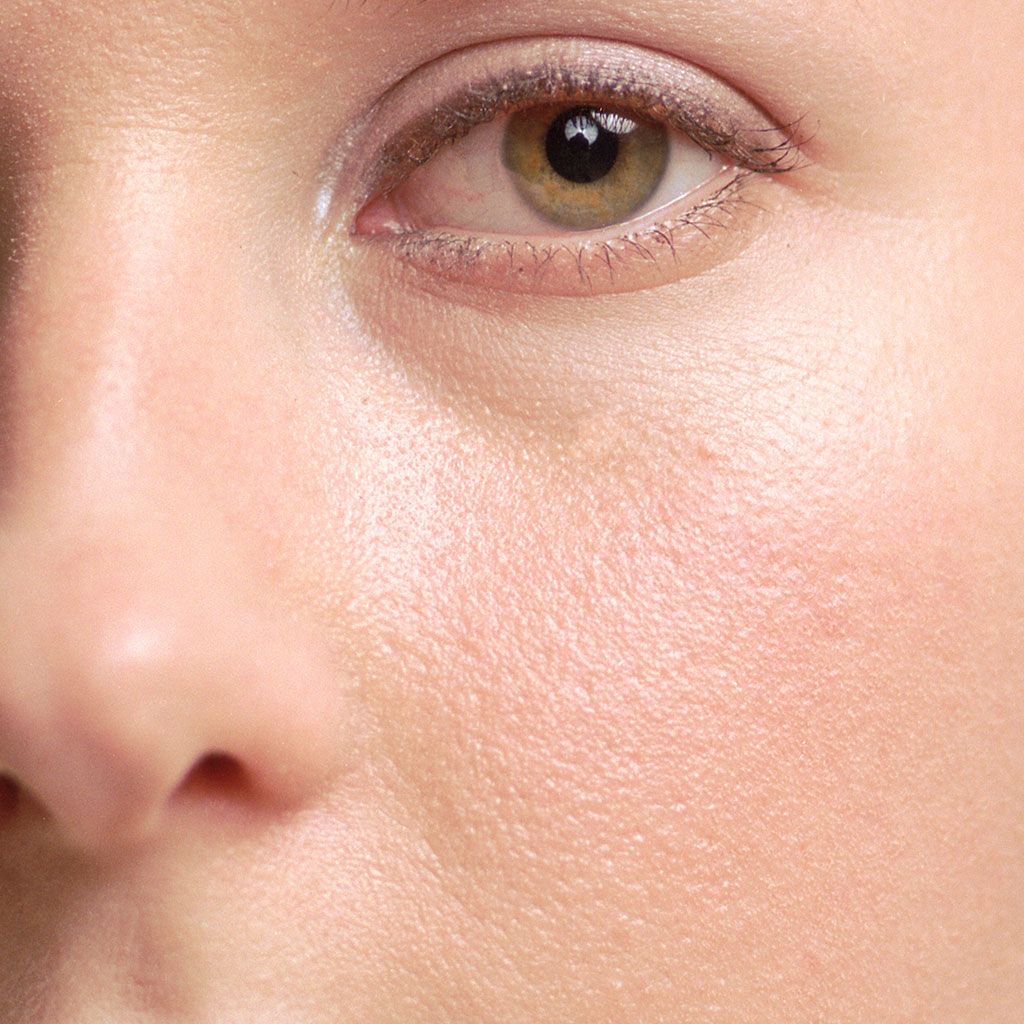
Normal skin is generally comfortable, balanced and neither excessively oily nor excessively dry.
But don’t make the mistake of thinking:
“My skin is normal, so I don’t need skincare.”
A simple routine can help maintain that balance.
Keep it simple:
Cleanser → Treatment if needed → Moisturiser → Sunscreen
You don’t need five serums just because skincare influencers are using them.
Sensitive or Reactive Skin
Sensitive skin requires a little more patience.
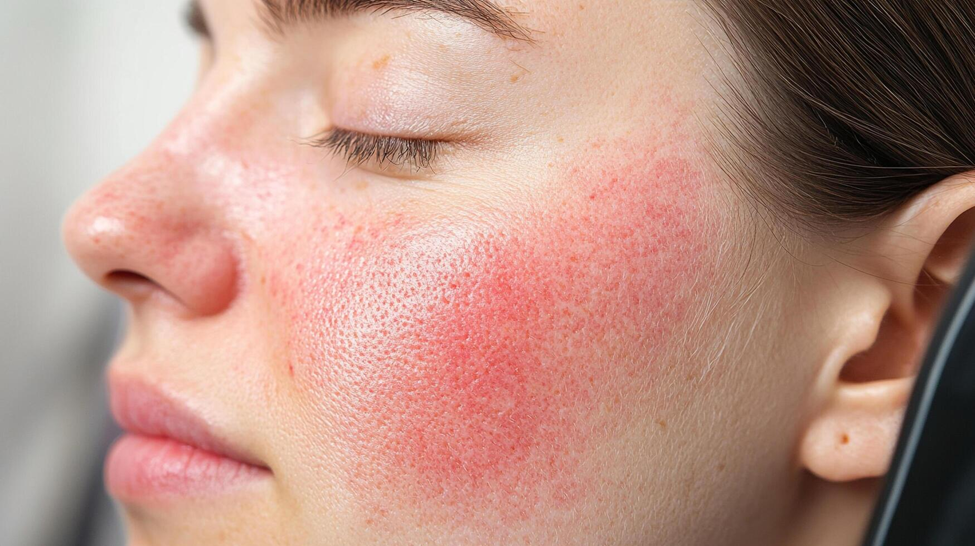
If your skin frequently stings, burns, becomes red or reacts when you introduce new products, avoid building a routine around multiple strong actives at once.
Sensitive skin usually benefits from:
- A gentle cleanser
- Simple hydration
- Barrier-supporting products
- Fewer active ingredients at one time
- Gradual introduction of new products
- Daily sunscreen
If you have persistent redness, burning, painful acne or an ongoing skin condition, skincare products shouldn’t replace professional medical advice.
Your Skin Type Can Change
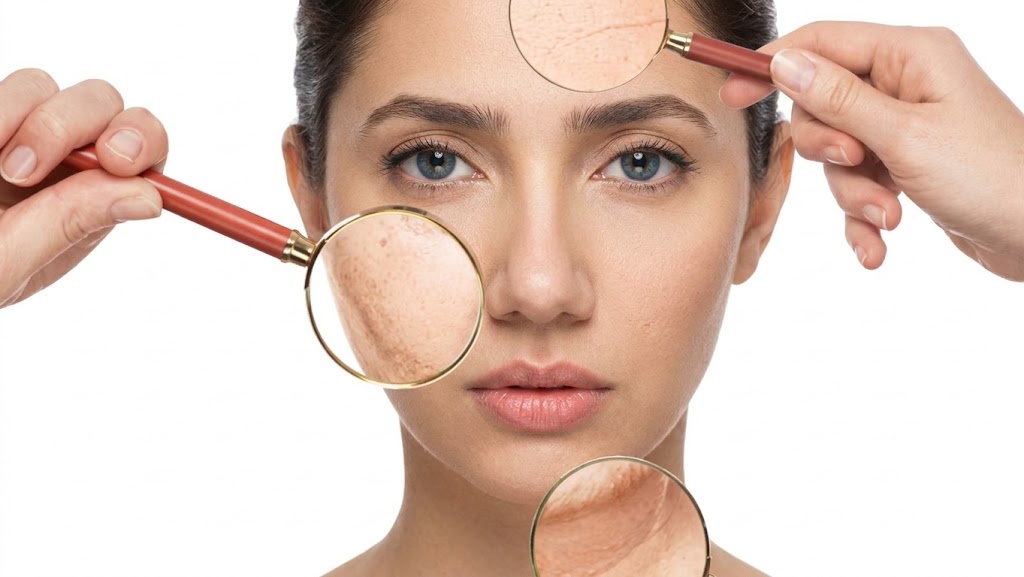
Find out before you buy your next serum.
Here’s something many people don’t realise:
Your skin type isn’t necessarily identical all year round.
In Pakistan, your skin may behave differently during different seasons.
Summer
Heat and humidity may make skin feel:
Oilier + sweatier + more congested
Winter
Cold, dry air and indoor heating may make skin feel:
Drier + tighter + more dehydrated
Air conditioning
Long hours in air-conditioned environments can contribute to a dehydrated feeling even if your underlying skin type is oily.
That’s why your routine may need small adjustments throughout the year.
Skin Type vs Dehydrated Skin: Don’t Confuse Them
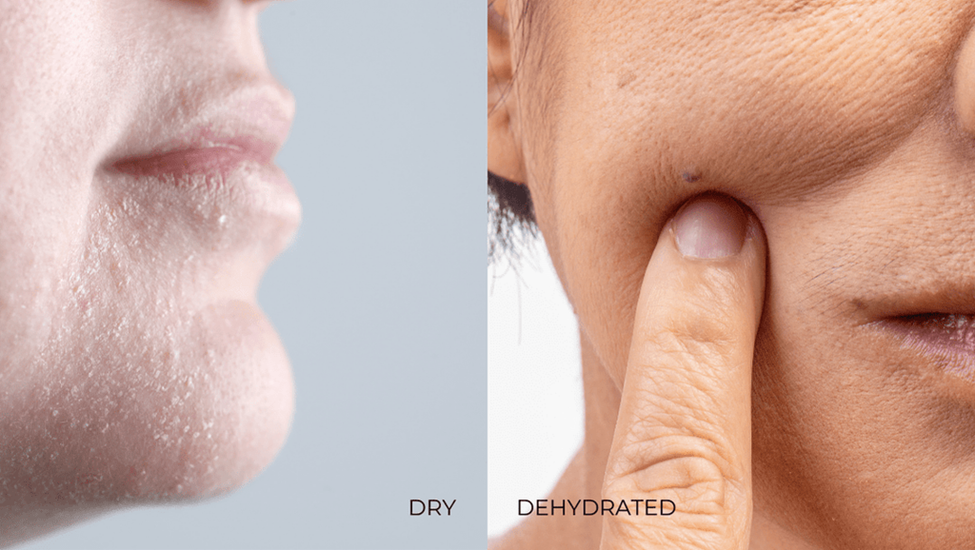
This is particularly important.
Dry skin is a skin type.
Dehydration is a temporary skin condition related to lack of water.
You can therefore have:
Oily + dehydrated skin.
This is why someone may say:
“My skin is extremely oily, but it still feels tight.”
Instead of adding more oil-control products, consider whether your skin also needs better hydration.
A hydrating serum such as Hyaluronic Acid 2% + B5 with Ceramides may be worth considering depending on your routine and skin needs.
What About Pigmentation and Dark Spots?
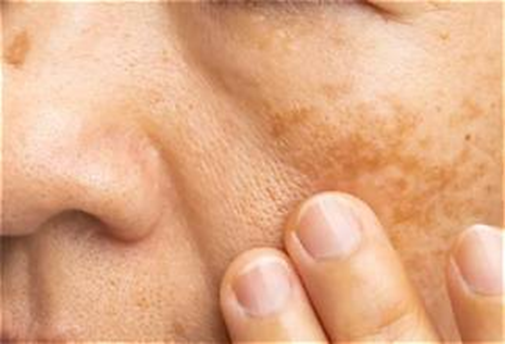
Pigmentation is a concern, not a skin type.
So don’t automatically buy the strongest brightening product you can find.
For example, Alpha Arbutin 2% + HA is specifically positioned to target the appearance of hyperpigmentation, dark spots and uneven-looking skin tone.
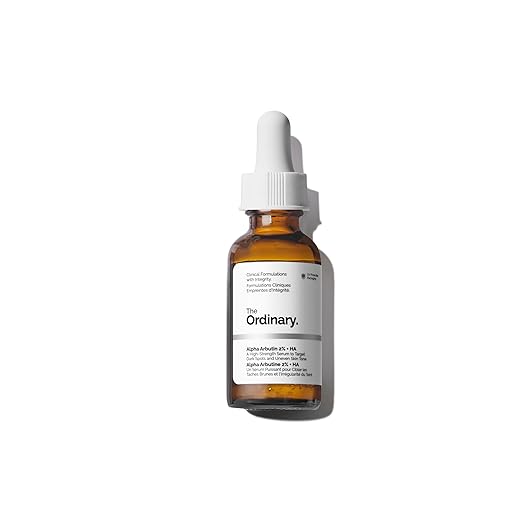
Original Dark Spot & Pigmentation Serum
But the same product can sit inside very different routines depending on whether your skin is dry, oily, combination or sensitive.
And don’t forget the most important daytime step:
Sunscreen.
The Ordinary Pakistan currently lists UV Filters SPF 45 Serum Sunscreen PA++++, described as a broad-spectrum SPF 45 serum-textured sunscreen.
Shop UV Filters SPF 45 Serum Sunscreen PA++++

What About Acne-Prone Skin?

Acne-prone skin doesn’t necessarily mean your skin is simply “oily.”
You can have:
- Oily acne-prone skin
- Dry acne-prone skin
- Combination acne-prone skin
- Sensitive acne-prone skin
For blemish-prone skin, Niacinamide 10% + Zinc 1% may be one option to consider, while Salicylic Acid 2% Solution can be relevant when congestion and blemishes are the main concern.
But more products do not automatically mean better results.
Start with one active at a time.
Don’t Over-Exfoliate Your Skin
This deserves its own warning.
Seeing someone online use glycolic acid, salicylic acid, retinol and a peeling solution doesn’t mean your skin needs all four.
For example, Glycolic Acid 7% Exfoliating Toner is designed to improve the appearance of texture, uneven tone and dullness through exfoliation.
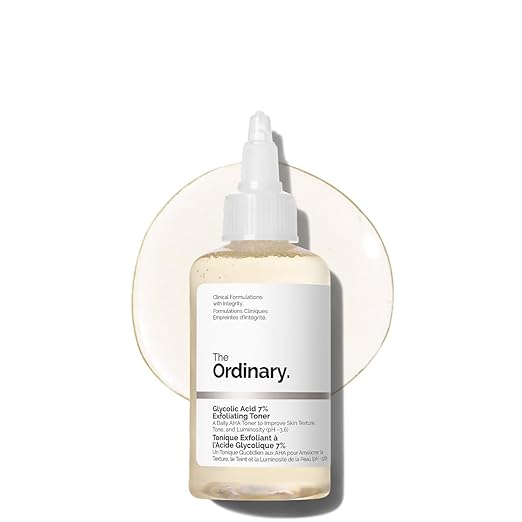
If you’re new to acids, introduce them gradually rather than combining multiple exfoliating products immediately.
And when using exfoliating products, daytime sun protection matters.
Quick Skin-Type Guide
| If your skin usually feels… | Your likely skin type | Start by looking for |
| Shiny across most of your face | Oily | Lightweight hydration + oil/congestion support |
| Tight, rough or flaky | Dry | Hydration + moisturisation |
| Oily T-zone, drier cheeks | Combination | Balanced hydration + targeted treatment |
| Comfortable and balanced | Normal | Simple maintenance routine |
| Easily irritated or stings | Sensitive/reactive | Gentle, simple barrier-focused routine |
Important: This is a starting point, not a medical diagnosis.
The Biggest Skincare Mistake? Buying for Someone Else’s Skin
Your friend may love a serum.
Your favourite influencer may swear by it.
A viral TikTok may call it a “holy grail.”
But if your skin doesn’t need it—or can’t tolerate it—it may not be the right product for you.
Instead of asking:
“What is the best The Ordinary product?”
Ask:
“What is the best The Ordinary product for my skin type and concern?”
That one change can make your skincare routine much simpler.
A Simple Routine for Pakistani Weather
You don’t need a 10-step routine.
Morning
Cleanser
↓
Treatment/serum suited to your skin
↓
Moisturiser
↓
SPF 45 sunscreen
Evening
Cleanser
↓
Treatment
↓
Moisturiser
Adjust the products according to your skin type, concerns and tolerance.
Before You Buy Your Next Skincare Product…
Ask yourself these five questions:
1. What is my skin type?
Oily, dry, combination, normal or sensitive?
2. What is my main concern?
Acne? Pigmentation? Dullness? Dehydration? Texture?
3. Is my skin currently irritated?
If yes, don’t immediately add another strong active.
4. What is the weather doing to my skin?
Pakistan’s climate can change how your skin feels throughout the year.
5. Am I introducing too many products at once?
If you change five things simultaneously, it becomes almost impossible to know what is actually working.
Frequently Asked Questions
How do I know my skin type?
Cleanse your face, leave it without skincare for around 30–60 minutes and observe how it feels. Excessive shine may indicate oily skin, tightness or flaking may indicate dry skin, while an oily T-zone with drier cheeks may indicate combination skin.
Can oily skin also be dehydrated?
Yes. Oily skin describes sebum production, while dehydration refers to insufficient water in the skin. Oily skin can therefore still feel tight or dehydrated.
Which The Ordinary product is best for oily skin?
There isn’t one universal best product. For oily or blemish-prone skin, Niacinamide 10% + Zinc 1% is one option to consider, particularly for visible shine, congestion and textural concerns.
Which The Ordinary product is good for dry skin?
Dry skin generally benefits from hydration and moisturisation. Hyaluronic Acid 2% + B5 with Ceramides is one hydrating option containing hyaluronic acid, ceramides and pro-vitamin B5.
Which The Ordinary product is good for pigmentation?
Alpha Arbutin 2% + HA is formulated to target the appearance of hyperpigmentation, dark spots and uneven skin tone.
Is skincare for Pakistani skin different?
The basic principles are the same, but climate can influence how your skin behaves. Heat, humidity, dry weather, air conditioning, pollution and sun exposure may affect oiliness, dehydration and sensitivity.
Do I need sunscreen if I use skincare at night?
Sunscreen is a daytime product. If you’re using ingredients that can increase sun sensitivity, daytime sun protection becomes particularly important.
Final Word
Know your skin before you choose your skincare.
You don’t need every viral serum.
You don’t need the longest routine.
And you definitely don’t need to copy someone else’s skincare routine.
Start with your skin type, identify your main concern, introduce products slowly and adjust your routine according to your skin and Pakistan’s changing climate.
Because skincare works best when it is personal not popular.
Recommended products
-
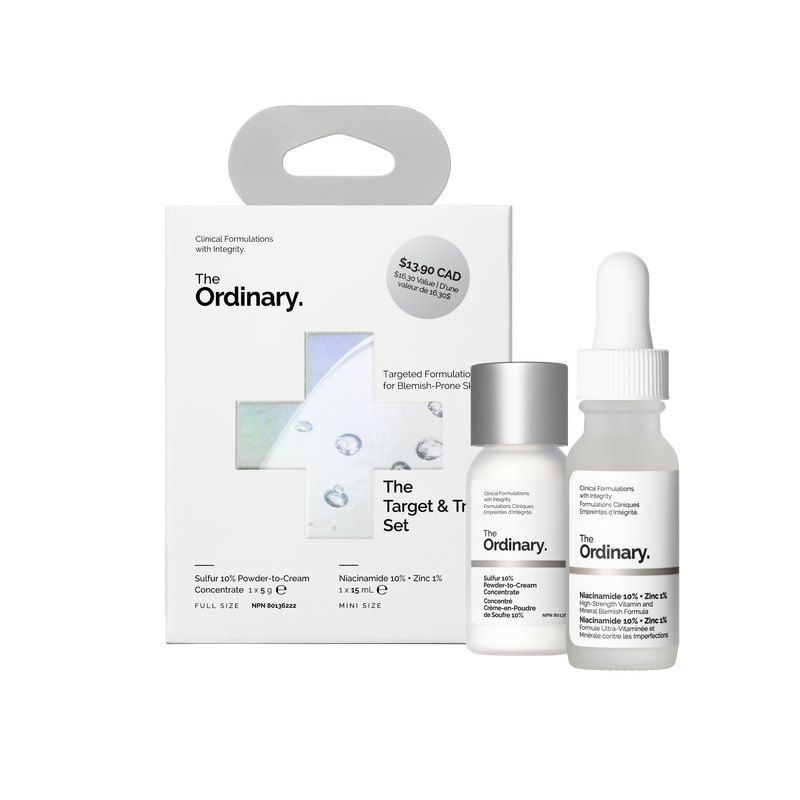
The Target & Treat Set | Niacinamide + Zinc & Sulfur 10%
Original price was: ₨ 7,800.₨ 5,500Current price is: ₨ 5,500. -
Glycolic Acid 7% Exfoliating Toner
Price range: ₨ 4,650 through ₨ 6,750 -
Niacinamide 10% + Zinc 1%
Price range: ₨ 3,350 through ₨ 9,800 -
Hyaluronic Acid 2% + B5 (With Ceramides)
Price range: ₨ 4,250 through ₨ 11,500 -
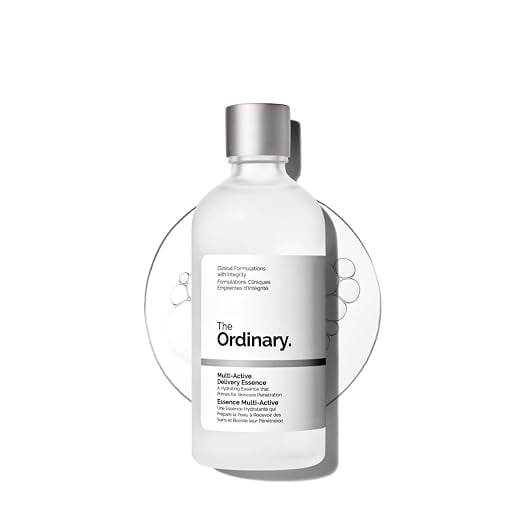
Multi-Active Delivery Essence 100ml
Original price was: ₨ 8,000.₨ 6,000Current price is: ₨ 6,000.